Running shoe review
Nike Alphafly 3 Review
Is It Worth It for Marathons?

Best for
Half-marathon and marathon racers chasing a personal best
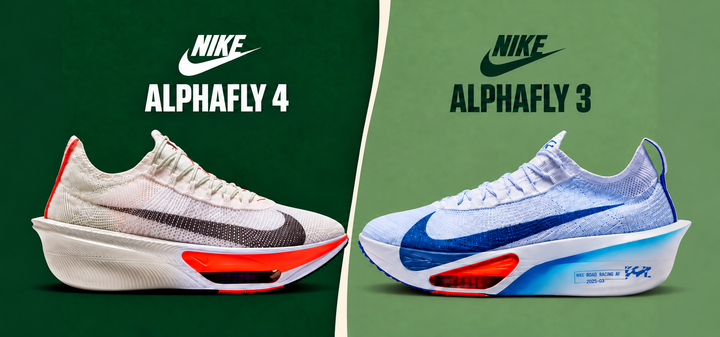
A premium marathon racing shoe offering strong propulsion, deep cushioning and a smoother, lighter ride than the Alphafly 2.
Verdosa score
Best for
Half-marathon and marathon racers chasing a personal best
What we loved
- Highly responsive racing design
- Strong long-distance cushioning
- Lightweight construction
What could be better
- Expensive
- Less stable at slower speeds
- Limited everyday versatility
Verdosa verdict
A premium marathon racing shoe offering strong propulsion, deep cushioning and a smoother, lighter ride than the Alphafly 2.
View full specifications
- Category
- Elite road-racing shoeBuilt for important race days, not routine mileage
- Best distance
- Half marathon to marathonCushioning becomes more valuable as fatigue increases
- Published weight
- Approximately 218 g, men's UK 9Meaningfully lighter than the Alphafly 2
- Drop
- 8 mmA familiar offset for many distance runners
- Midsole
- Continuous ZoomX foamCreates smoother heel-to-toe transitions
- Propulsion
- Full-length carbon-fibre FlyplateStiffens toe-off and guides the rocker
- Forefoot
- Two Air Zoom unitsProduces the shoe's compressed-and-release sensation
- Upper
- AtomKnit 3.0Light, breathable and focused on race-day lockdown
- Insole
- Glued and non-removableMay be inconvenient for orthotic users
✓Who should buy it?
- Half-marathon and marathon racers chasing a personal best
- Substantial cushioning in a lighter build than Alphafly 2
- Midfoot and forefoot strikers who suit the Air Zoom ride
- Heel strikers wanting smoother transitions than earlier Alphaflys
- Runners comfortable in stiff, plated racing shoes
−Who should skip it?
- Everyday training or a natural, flexible ground feel
- Runners with unresolved Alphafly arch irritation
- Orthotic users needing an easily removable insole
- Runners prioritising agility on corner-heavy courses


Nike Alphafly 3 review verdict
The Nike Alphafly 3 is an elite carbon-plated racing shoe designed primarily for half-marathons and marathons. Its greatest strength is not simply bounce: it is the way the continuous ZoomX midsole, full-length carbon-fibre Flyplate and dual Air Zoom units work together to preserve a smooth transition when fatigue starts changing your stride.
Nike corrected the two main criticisms of the Alphafly 2: excessive weight and a disconnected ride. The third version feels lighter, more coherent and more stable, while retaining the distinctive forefoot rebound that defines the Alphafly line. It remains expensive and highly specialised, but for runners chasing a long-distance personal best, its purpose is unusually clear.
Nike Alphafly 3 specifications
| Specification | Nike Alphafly 3 | Why it matters |
|---|---|---|
| Category | Elite road-racing shoe | Built for important race days, not routine mileage |
| Best distance | Half marathon to marathon | Cushioning becomes more valuable as fatigue increases |
| Published weight | Approximately 218g, men’s UK 9 | Meaningfully lighter than the Alphafly 2 |
| Heel-to-toe drop | 8mm | A familiar offset for many distance runners |
| Midsole | Continuous ZoomX foam | Creates smoother heel-to-toe transitions |
| Propulsion | Full-length carbon-fibre Flyplate | Stiffens toe-off and guides the rocker |
| Forefoot | Two Air Zoom units | Produces the shoe’s compressed-and-release sensation |
| Upper | AtomKnit 3.0 | Light, breathable and focused on race-day lockdown |
| Insole | Glued and non-removable | May be inconvenient for orthotic users |
Design changes and ride
A lighter, unified platform
The Alphafly 2 sometimes felt like separate heel, plate and forefoot systems joined together. Nike connected the ZoomX foam along the bottom and reshaped the platform, creating a more continuous rolling sensation. The reduction in weight is equally important: the shoe now feels less bulky when accelerating and easier to turn over at sustained race pace.
A calmer midfoot
Earlier Alphaflys developed a reputation for arch irritation. The wider, more supportive midfoot in version three reduces the aggressive sensation for many runners, although it does not guarantee comfort for every foot. Anyone with a history of arch blistering should complete a substantial race-pace session before using it in a marathon.
How the Alphafly 3 feels at different paces
Easy pace
The shoe makes the least sense when running slowly. Its stiff plate can feel intrusive, the Air units may feel mechanical and the outsole can sound surprisingly loud. That does not indicate a fault; it reflects a platform tuned for faster loading forces rather than relaxed recovery running.
Half-marathon pace
At faster speeds, the components begin working as intended. The Air Zoom units become more responsive, the plate guides rather than resists toe-off and the lighter construction helps cadence. Runners who land around the midfoot or forefoot are most likely to engage the pods directly.
Marathon pace
This is its natural environment. ZoomX reduces impact, the Flyplate controls deformation and the Air units reinforce forefoot rebound. The result is not effortless running; instead, the shoe asks for less mechanical reorganisation as posture and foot strike deteriorate late in the race.
Where it earns its price
The better question is not “How fast does it feel at kilometre five?” but “How useful is it at kilometre thirty-five?” The Alphafly 3 offers deep cushioning and a guided transition without carrying the weight of its predecessor. Its defining quality is stride preservation: it provides a more forgiving environment for a tired stride, not merely a dramatic sensation while fresh.
That benefit still depends on the runner. Carbon-plated shoes do not produce identical improvements for everyone, and no shoe replaces training, pacing or nutrition. The Alphafly 3 should be treated as a specialised performance tool whose value rises when the distance is long, the pace is purposeful and the fit is secure.


Fit, stability and durability
Start with your normal Nike performance-running size. Check that the toes have room to expand, use the socks intended for race day and pay close attention to the medial arch. The AtomKnit upper is breathable and accommodating, but the glued insole makes significant orthotic changes more difficult.
The wider plate and continuous midsole provide better control than the Alphafly 2. Nevertheless, this remains a tall shoe with substantial foam beneath the foot. It feels confident on flowing road courses, but sharp wet turns can feel less natural than they do in a lower, more agile racer. Runners targeting technical courses should test it through corners before committing.
Durability and everyday use
It helps to separate race-day lifespan from physical lifespan. A runner may stop trusting the shoe for an important personal-best attempt before it becomes unusable for training. ZoomX creasing is often cosmetic, so performance feel and structural damage matter more than wrinkles. Heel strikers should monitor exposed rear foam, while the deep central channel may collect stones without materially affecting performance.
The Alphafly 3 is not an economical daily trainer. Easy runs underuse its design, and frequent mileage consumes an expensive racing platform. Save it for races, long marathon-pace sessions and a small number of workouts that confirm fit. A more durable plated trainer is the sensible partner for weekly preparation.
Alphafly 3 comparisons
Alphafly 3 vs Vaporfly 3
Choose the Alphafly 3 for half-marathons and marathons when cushioning, stability and late-race protection take priority. Choose a Vaporfly-style shoe when minimum weight, quick acceleration and agility over 5K or 10K matter more. The Alphafly feels more substantial and protective; the Vaporfly generally feels sharper and less mechanical.
Alphafly 3 vs Zoom Fly 6
These shoes perform different jobs. The Zoom Fly 6 suits marathon-pace training, long runs and repeated mileage where durability matters. The Alphafly 3 is the lighter, more specialised race-day option. Build fitness in the Zoom Fly and reserve the Alphafly for the sessions and races where marginal performance benefits justify its cost.
Evidence, records and race legality
The Alphafly 3 reached public attention through elite marathon racing, including the developmental platform worn by Kelvin Kiptum during his 2:00:35 performance in Chicago in 2023. That association demonstrates the shoe’s competition focus, but it should not be interpreted as proof that the retail shoe creates the same result for every runner. Elite performances combine exceptional physiology, training, pacing, conditions and footwear.
The retail Alphafly 3 is designed to comply with the World Athletics road-shoe stack-height limit. Competitive athletes should still check the current approved-shoe list and their event rules, particularly when using prototypes or customised footwear. Verdosa’s assessment combines published specifications, independent laboratory observations and practical design analysis. Where measurements differ between official and laboratory figures, shoe size, test location and methodology can explain part of the variation.
Is the Nike Alphafly 3 worth it?
As an everyday shoe, no. As a specialist tool for one important half-marathon or marathon, the calculation changes. It is easier to justify when you are chasing a serious goal, know the fit works and benefit from stiff plated shoes. It is harder to recommend if most of your running is easy, you mainly race shorter distances or you are uncertain about arch comfort.
Verdosa verdict: 9.2/10
Nike made the Alphafly’s technologies behave like one coherent system. The lighter build corrects the second version’s biggest weakness, the continuous ZoomX platform smooths transitions and the wider Flyplate adds control without removing the signature Air Zoom sensation.
The Alphafly 3 is not compelling because kilometre five feels effortless. It is compelling because it gives kilometre thirty-five a better chance of resembling kilometre five.
View Nike Alphafly 3 details


Nike Alphafly 3 FAQ
Is the Nike Alphafly 3 true to size?
Begin with your normal Nike running size. Do not size up automatically to solve an arch or width problem; test the shoe at race pace and check room for swelling.
Is it suitable for a marathon?
Yes. Long-distance road racing is its primary purpose, and its cushioning and guided transition become more useful as fatigue accumulates.
Can it be used for a half marathon or 10K?
Yes, although its advantages become more meaningful over longer distances. Some runners will prefer a lighter and more agile racer for 5K or 10K events.
Does it still cause arch blisters?
The redesigned midfoot reduces irritation compared with earlier versions, but individual fit varies. Anyone with previous Alphafly blistering should complete a substantial test run first.
Is it better than the Alphafly 2?
For most runners, yes. It is lighter, smoother and less intrusive through the arch while retaining the cushioning and propulsion expected from the Alphafly family.
Final verdict
9.2/10A premium marathon racing shoe offering strong propulsion, deep cushioning and a smoother, lighter ride than the Alphafly 2.