Ride, cushioning and performance
The Nike Zoom Fly 6 and HOKA Bondi 9 solve different problems. The Zoom Fly 6 is a lighter carbon-plated supertrainer for tempo runs, marathon-pace sessions and fast long runs. The Bondi 9 is a maximum-cushion neutral shoe for easy mileage, recovery, walking and long periods on your feet. Choose Nike to run faster; choose HOKA to make slower miles feel more stable and protected.
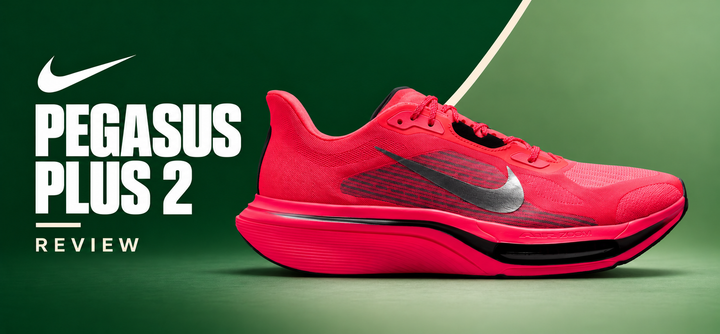
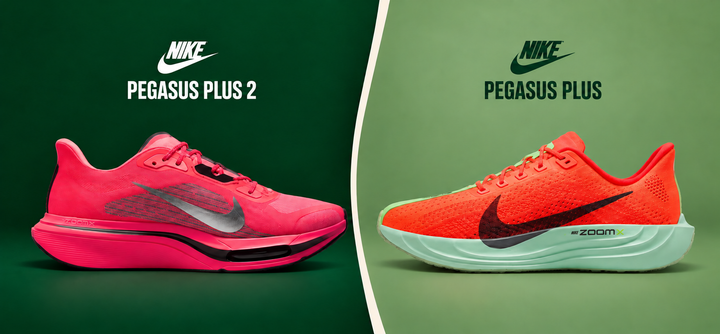
The Zoom Fly 6 combines a full-length carbon-fibre Flyplate, responsive ZoomX foam and a supporting SR-02 layer. Its plate and rocker feel most effective as pace rises, creating a directed roll rather than a soft sinking sensation. It is durable and less aggressive than a Vaporfly or Alphafly, making it better suited to regular training and occasional racing.
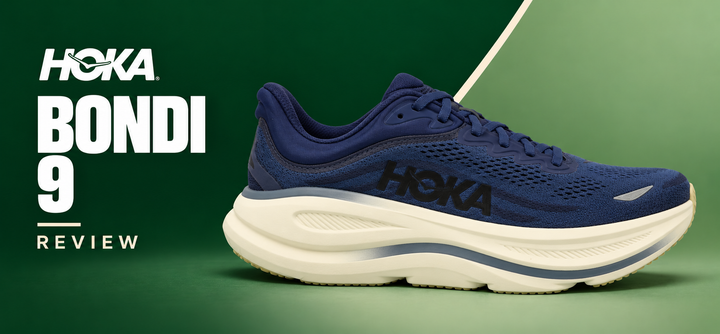
The Bondi 9 uses supercritically foamed EVA, a broad Active Foot Frame and MetaRocker geometry without a plate. It supplies more cushioning volume but feels structured rather than marshmallow-soft. The HOKA is calm and planted; the Nike has the stronger toe-off and better efficiency for tempo, threshold and marathon-pace running. Both can handle 5K, but the Zoom Fly 6 is clearly preferable for 10K, half-marathon and marathon performance.
Easy runs, long runs, walking and rotation
The HOKA Bondi 9 review explains why it is the stronger option for recovery runs, easy mileage, walking and standing. Its broad platform, deep stack, removable insole and Regular, Wide and X-Wide choices make it more adaptable for everyday use. Maximum cushioning does not guarantee universal comfort, however: some runners find its foam firmer or standard forefoot snugger than expected.
Long-run pace decides the winner. Choose the Bondi for slow, relaxed long runs where stability and impact protection matter most. Choose the Zoom Fly 6 for progressive long runs, marathon workouts or sessions that finish quickly; its lower weight, plate and rocker help preserve turnover as fatigue builds. For marathon racing, Nike is the realistic performance choice between the two.
These shoes can form a useful two-shoe rotation because their strengths barely overlap: HOKA for slow volume and daily wear, Nike for faster workouts and occasional races. Runners training gently two or three times per week probably need only the Bondi, while anyone already owning a comfortable easy-day shoe gains more by adding the Zoom Fly 6.
Stability, fit, upper and durability
The Bondi 9 is more inherently stable because its heel and forefoot platform are substantially wider and its sidewalls cradle the foot. It remains a neutral shoe rather than a corrective stability model. The Zoom Fly 6 is controlled for a tall plated trainer, but its narrower base is less forgiving for off-centre heel strikes or runners uncomfortable on high platforms.
Both usually fit true to size, but neither standard version is genuinely roomy. Nike has a narrow, low-volume performance fit and no dedicated wide version. The standard Bondi can also feel snug, but HOKA offers three widths, more vertical toe space and a removable insole. Try the correct width before sizing up, since extra length can create heel movement without fixing forefoot pressure.
Nike's structured dual-layer mesh and semi-gusseted tongue provide secure lockdown; HOKA uses more padding, an engineered mesh upper and an extended heel tab for everyday comfort. Ventilation is adequate rather than exceptional in both. Their road outsoles are durable, with the Bondi holding a small wet-grip advantage and the Zoom Fly offering proven performance-shoe longevity. Neither is intended for ice, mud or technical trails. If race-day speed matters more than training durability, compare two specialist options in our Nike Alphafly 3 vs ASICS METASPEED EDGE TOKYO guide.
For heavier neutral runners, choose the Bondi for easy miles, walking and greater platform width. Choose the Zoom Fly for fast sessions only when its narrower fit and tall geometry feel secure. Foot shape, landing pattern and intended pace matter more than body weight alone.
Which shoe should you choose?
Choose the Nike Zoom Fly 6 if:
- You want a shoe for tempo, intervals or marathon-pace training.
- You prefer a lighter, faster and more propulsive ride.
- You want a durable plated trainer that can race occasionally.
- You have a narrow or average-volume foot.
 Check Nike Zoom Fly 6 price on Amazon
Choose the HOKA Bondi 9 if:
- You prioritise easy runs, recovery, walking or standing.
- You want the wider and more stable platform.
- You need Regular, Wide or X-Wide sizing.
- You value impact protection more than speed.
 Check HOKA Bondi 9 price on Amazon
Frequently asked questions
Is the Nike Zoom Fly 6 better than the HOKA Bondi 9?
The Zoom Fly 6 is better for speedwork, race-pace sessions and fast long runs. The Bondi 9 is better for recovery, easy running, walking, stability and width choice. The right winner depends on the role you need.
Can the Nike Zoom Fly 6 be used as a daily trainer?
Yes, especially when your week includes moderate or fast running. For slow recovery mileage alone, its carbon plate, narrow fit and performance geometry are unnecessary.
Which shoe is better for walking, standing and long runs?
The Bondi 9 is better for walking, standing and slow long runs. The Zoom Fly 6 is better when a long run includes marathon pace or a fast finish.
Are they carbon-plated?
The Zoom Fly 6 has a full-length carbon-fibre Flyplate. The Bondi 9 has no plate and relies on supercritical EVA foam, rocker geometry and a broad platform.
Which is better for heavier runners?
The Bondi is generally safer for easy running because its broad base offers more inherent stability. A neutral heavier runner may prefer the Zoom Fly for faster sessions if its fit and platform feel secure.